Getting Familiar With API 650 Welding Inspection and Its Role in Industrial Safety
The Benefits of Welding Evaluation for Enhanced Safety and Efficiency
Welding evaluations are important for making certain that structures meet rigorous industry standards. They play a vital role in determining defects early, consequently boosting safety and security and decreasing the threat of tragic failings. Furthermore, these inspections can lead to significant cost financial savings by avoiding costly repairs and downtime. As organizations aim for better efficiency and reliability, the importance of a robust examination procedure can not be overemphasized. What various other advantages might arise from a dedication to detailed welding evaluations?
Making Certain Conformity With Industry Specifications
Ensuring conformity with market standards is vital for maintaining high quality and security in welding jobs. Sticking to well established procedures not just shields employees however likewise enhances the resilience and efficiency of the last product. Welding evaluations conducted at different stages of the process help determine any type of deviations from these standards, allowing timely rehabilitative activities. This positive strategy reduces the risk of failures that can result from ineffective craftsmanship.
Compliance with sector standards promotes depend on amongst stakeholders, consisting of clients, regulative bodies, and the workforce. It indicates a dedication to quality and liable techniques, which can lead to boosted organization opportunities and an one-upmanship in the market - API 650 Welding Inspection. Normal examinations additionally ensure that materials and techniques utilized line up with the current technological improvements and safety laws. Eventually, adherence to industry requirements is not simply a regulative demand yet a keystone of high quality assurance in welding jobs
Enhancing Safety And Security Through Early Discovery of Issues
While the key objective of welding inspections frequently fixates compliance, they play a necessary duty in improving security by making it possible for the early detection of issues. Determining concerns such as incomplete blend, cracks, or porosity during inspections can substantially minimize the risk of catastrophic failures. Early discovery enables timely treatments, making certain that defective welds do not compromise architectural honesty.
Furthermore, organized examinations foster a culture of security within organizations by stressing the importance of quality assurance. This proactive approach not just protects personnel yet likewise safeguards the surrounding setting. Regular inspections can expose patterns in issue occurrence, allowing for modifications in welding methods and training programs to deal with underlying issues.
Consequently, welding assessments work as a critical protect, boosting total security and performance by determining flaws before they rise into severe threats. This commitment to quality directly adds to the durability and reliability of bonded structures.
Reducing Prices by Protecting Against Failings
By applying complete welding examinations, companies can efficiently minimize expenses related to failures and remodel. The positive recognition of defects during the welding procedure minimizes the risk of tragic failures that can bring about expensive repair work or substitutes. Early detection permits timely treatments, which protects against the rise of minor concerns into major issues that strain resources and budget plans. In addition, by ensuring that welds fulfill specified criteria, companies can avoid hold-ups in job timelines brought on by the requirement for considerable rework or additional assessments later while doing so. This not just conserves money but additionally boosts functional performance. An online reputation for top quality handiwork can lead to increased client complete satisfaction and repeat company, additional contributing to economic security. Generally, investing in welding examinations is a tactical technique that cultivates cost savings while protecting the stability of welded structures.
Improving Performance and Longevity of Frameworks


Welding inspections play a crucial role in improving the efficiency and long you could check here life of frameworks, as they verify that welds are executed to the greatest requirements. By recognizing issues early in the welding process, inspections prevent weaknesses that might compromise structural stability. This positive approach guarantees that the materials utilized satisfy required specs, consequently maximizing their load-bearing capacity and durability.
Consistent surveillance of welding techniques adds to the total top quality of building tasks. When welds are validated for compliance with sector standards, the potential for tiredness and failing in time is greatly minimized. Frameworks that are developed with effectively inspected welds are likely to experience fewer upkeep problems and enhanced sturdiness.
Eventually, strenuous welding assessments not just boost the prompt efficiency of a framework however also prolong its operational lifespan, providing long-lasting value to both end-users and building contractors alike.
Promoting a Society of Quality and Integrity
A dedication to quality and dependability in welding techniques greatly adds to the general success of building tasks. They foster a society that motivates careful focus to detail and adherence to industry criteria when companies focus on these worths. This society not just boosts the skill level of welders yet additionally promotes liability and team effort among visit homepage all stakeholders involved in the task.
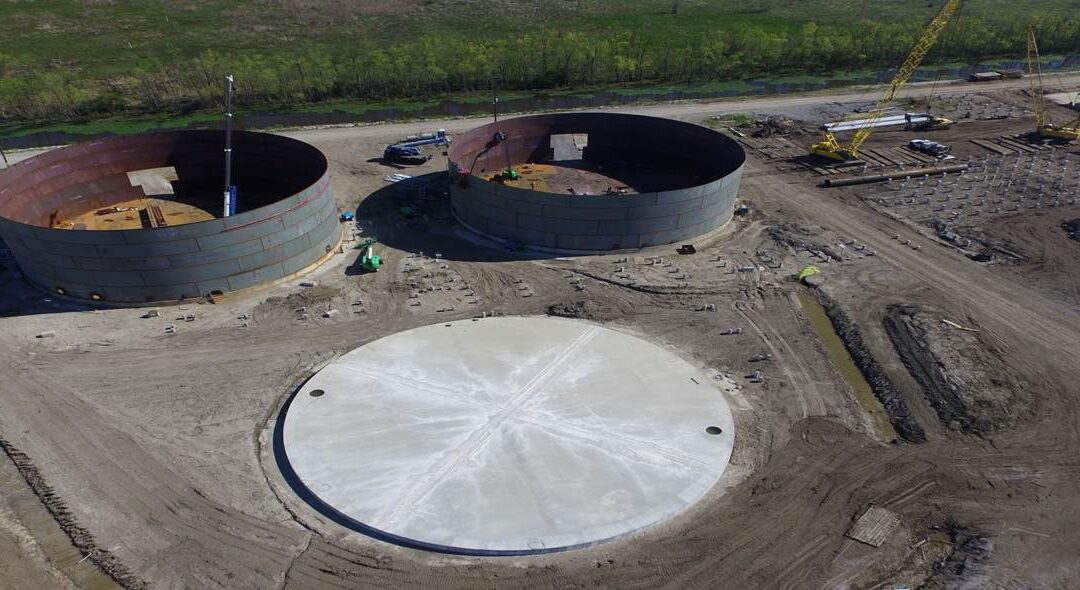
Normal welding assessments work as a keystone in this cultural change, strengthening the significance of consistent efficiency and security measures (API 650 Welding Inspection). By applying rigorous assessment procedures, firms can determine possible problems early, mitigating dangers and staying clear of expensive rework. Additionally, a concentrate on high quality and integrity instills confidence amongst customers and companions, resulting in more powerful partnerships and enhanced reputations
Inevitably, promoting a society of top quality and reliability in welding methods not just elevates project outcomes however likewise guarantees lasting sustainability and success in the building sector.
Regularly Asked Questions
What Qualifications Should a Welding Inspector Have?
A welding inspector ought to possess pertinent qualifications, such as AWS CWI or CSWIP. In addition, they ought to have experience in metallurgy, welding procedures, and inspection techniques, in addition to solid analytical skills and interest to information for reliable analyses.

Just How Frequently Should Welding Inspections Be Carried Out?
Welding examinations ought to be performed on a regular basis, ideally after each considerable stage of the welding procedure. Furthermore, regular examinations need to happen based on project requirements, service problems, and regulative criteria to assure continuous top quality and security.
What Tools Are Used During Welding Inspections?
Welding evaluations utilize numerous tools, including ultrasonic testers, magnetic fragment testers, aesthetic examination devices, and radiographic equipment. Each tool offers a particular purpose, ensuring weld top quality and architectural honesty through thorough exam and assessment.
Can Welding Inspections Be Done Remotely?
Welding evaluations can certainly be done from another location utilizing advanced modern technologies such as drones and specialized cams. These devices allow examiners to examine welding quality and honesty from a distance, boosting efficiency and safety in numerous atmospheres.
What Are the Typical Types of Welding Defects?
Typical kinds of welding problems include porosity, fractures, insufficient combination, undercutting, and slag inclusion. These problems can jeopardize the integrity and strength of welds, causing possible failings in architectural applications otherwise dealt with correctly.
Welding examinations are essential for guaranteeing that structures satisfy rigid sector requirements. Welding evaluations conducted at different phases of the procedure assistance determine any inconsistencies from these criteria, making it possible for timely rehabilitative actions. Welding examinations play an important function in enhancing the efficiency and long life of structures, as they confirm that welds are carried out to the highest criteria. Welding assessments ought to be performed consistently, preferably after each significant stage of the welding process. API 650 Welding Inspection. Welding evaluations use different devices, including ultrasonic testers, magnetic fragment testers, aesthetic click site examination tools, and radiographic devices