What to Anticipate Throughout a Thorough Tank Welding Inspection
Comprehensive Guide to Effective Tank Welding Examination Techniques and Ideal Practices for Quality Control
In the realm of tank welding, strenuous examination strategies are critical for protecting structural honesty and making sure compliance with sector guidelines. As we explore these crucial components, it becomes clear that a positive evaluation approach is not simply useful, but necessary for operational success in settings dealing with hazardous products.
Value of Storage Tank Welding Inspection

Storage tank welding examination works as a preventative procedure, determining prospective problems such as splits, porosity, or inappropriate joint infiltration before they escalate right into significant concerns. Normal assessments not only adhere to industry regulations and criteria yet likewise enhance the long life of the tanks, reducing the need for pricey repairs or replacements.
Visual Inspection Methods
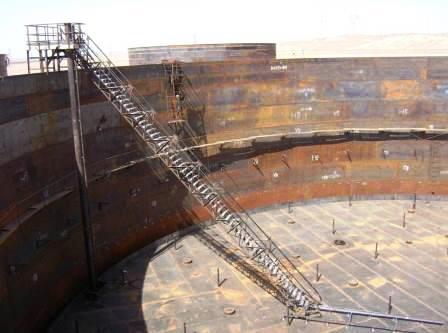
Utilizing systematic aesthetic examination methods is vital for examining the high quality and honesty of welded joints in tanks. This approach works as the first line of defense in recognizing possible issues such as splits, undercuts, and inadequate infiltration. The examiner needs to come close to the task with an eager eye, making use of ideal tools like amplifying glasses, flashlights, and mirrors to boost exposure.
Throughout the assessment process, the inspector must evaluate the weld profile, ensuring it complies with specified requirements and guidelines (Tank Welding Inspection). This consists of analyzing the grain width, height, and fusion with the base material. Inspectors should likewise pay close attention to the surrounding locations for signs of thermal distortion or contamination that might influence the weld's performance
Paperwork of searchings for is necessary; inspectors must tape-record any abnormalities, categorizing them by extent for additional assessment. This systematic technique not only aids in immediate flaw recognition yet likewise adds to long-term high quality assurance by guaranteeing conformity with industry criteria. Routine training and calibration of visual examination methods even more enhance the dependability of evaluations, ultimately resulting in much safer and extra durable container frameworks.
Non-Destructive Examining Techniques
Non-destructive screening (NDT) approaches are regularly utilized in tank welding evaluations to assess the integrity of welded joints without endangering their architectural integrity. These methods are crucial for identifying defects such as splits, spaces, and incorporations that could bring about catastrophic failures if left undetected.
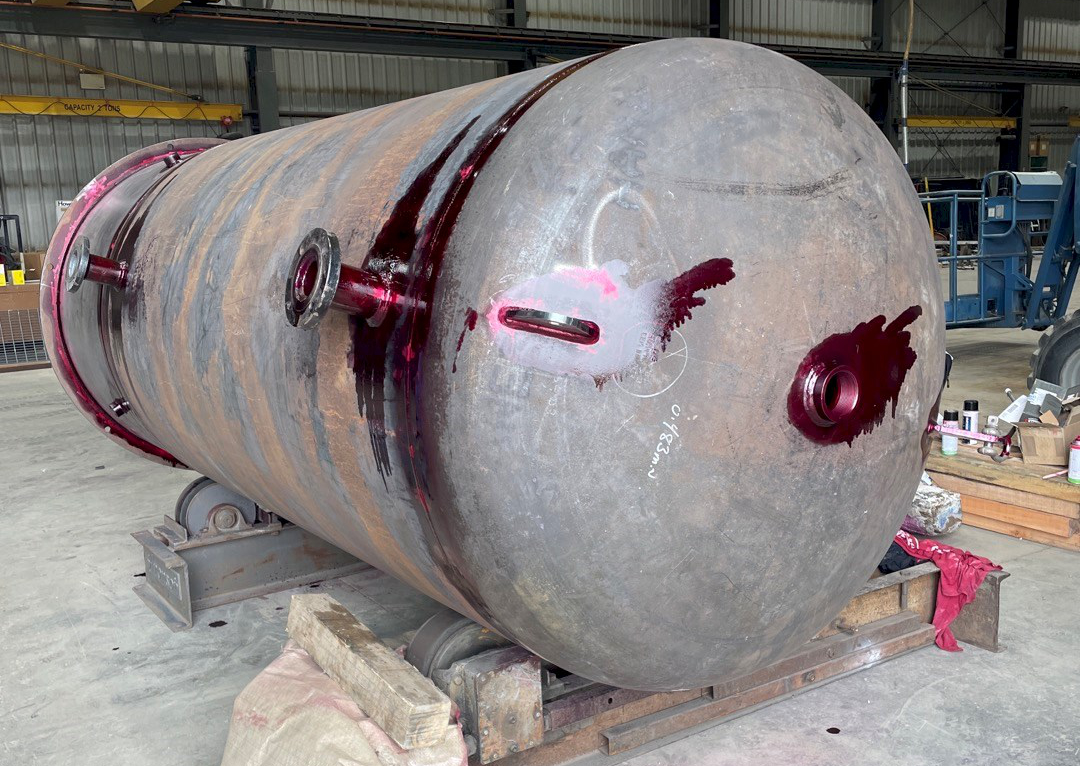
Typical NDT methods include ultrasonic screening (UT), which utilizes high-frequency sound waves to discover internal problems; radiographic testing (RT), employing X-rays or gamma rays to picture weld frameworks; and magnetic bit screening (MT), which discloses surface area and near-surface suspensions in ferromagnetic products (Tank Welding Inspection). Liquid penetrant testing (PT) is also see this here widely used, efficient in finding surface-breaking flaws by using a fluorescent or shade contrast color
Each NDT technique has its specific applications and benefits, making it necessary for inspectors to pick the appropriate strategy based on the material and the kind of weld being assessed. The combination of these NDT methods into the inspection process improves the overall high quality assurance structure, making sure that welded storage tanks fulfill security and efficiency requirements. Inevitably, NDT plays a vital role in preserving the honesty and longevity of container frameworks in various industrial applications.
Documents and Reporting
Guaranteeing comprehensive documentation and reporting throughout container welding examinations is crucial for keeping compliance with sector standards and helping with effective communication among stakeholders. Proper documentation functions as a comprehensive record of examination activities, findings, and any type of rehabilitative actions taken throughout the welding process. This info is essential not only for high quality assurance however additionally for audits and governing testimonials.

A well-structured evaluation report ought to consist of details such as the date of examination, names of inspectors, welding treatments employed, products utilized, and any type you could try this out of inconsistencies from established requirements. Furthermore, photographs and representations can boost the clarity of the record, giving aesthetic context to the searchings for. It is additionally crucial to record any non-conformities along with their resolution, ensuring that all stakeholders are informed of potential dangers and the actions required to minimize them.
Additionally, keeping a centralized database for all assessment reports enables easy retrieval and review, promoting a culture of openness and liability. By prioritizing precise documents and reporting, companies can not just support high quality assurance yet also strengthen their online reputation within the sector, inevitably leading to improved safety and operational efficiency.
Continual Enhancement Practices
Continuous enhancement techniques are necessary for improving the quality and effectiveness of storage tank welding examinations. Applying a systematic strategy to assess and refine examination methods cultivates a society of top quality assurance within the organization. One effective technique includes normal training and upskilling of examination employees to remain abreast of the current welding modern technologies and standards. This guarantees inspectors have the needed expertise and abilities to recognize issues properly.
Additionally, making use of data-driven analysis allows companies to track evaluation results, recognize fads, and determine locations for enhancement. Utilizing devices such as origin cause analysis can aid in comprehending the underlying problems leading to issues, making it possible for targeted treatments. In addition, obtaining comments from examination teams and stakeholders produces a collaborative atmosphere that urges cutting-edge options.
Integrating innovative innovations, such as automated evaluation systems and real-time monitoring, can considerably boost the precision and rate of inspections. Routine audits this hyperlink of the inspection processes likewise add to a culture of liability and continual refinement. Inevitably, these continual improvement practices not only elevate the top quality of tank welding examinations yet likewise add to overall operational excellence and client complete satisfaction.
Verdict
In final thought, efficient container welding assessment is pivotal for making certain the structural stability and security of storage space systems, especially those taking care of dangerous materials. Utilizing a mix of aesthetic assessment methods and non-destructive testing techniques assists in the early recognition of problems, thus preserving conformity with market requirements.